
How Bermuda Dunes Neighborhoods Flood
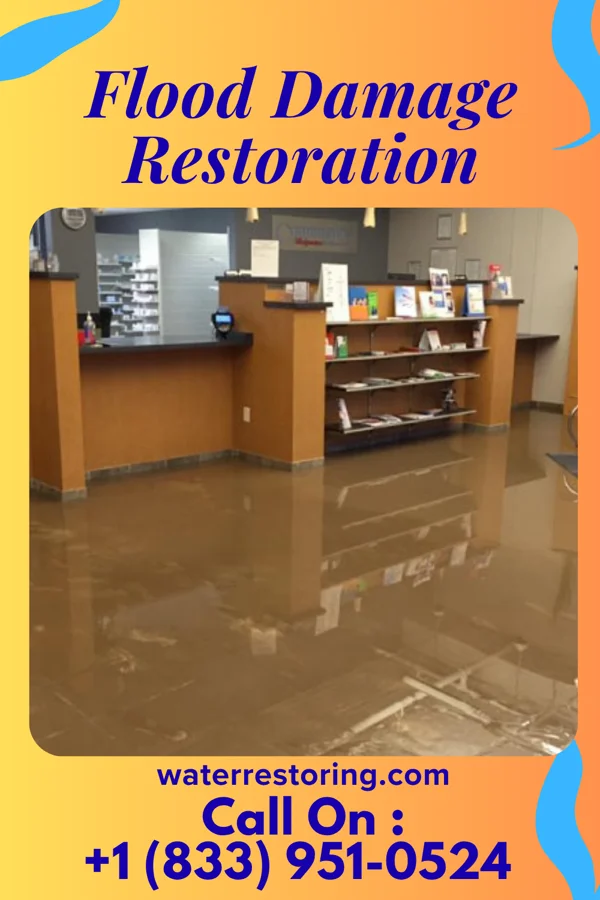
Every neighborhood in Bermuda Dunes has a different water damage risk profile. The one that shows up on most restoration calls is Bermuda Dunes is prone to flash flooding due to its location in a desert environment with sudden rainfall events. The area's low-lying terrain and proximity to the Salton Sea can lead to rapid water accumulation during heavy storms. Additionally, drainage systems in some parts of the city may not be sufficient to handle extreme weather conditions..
The climate in Bermuda Dunes is typically arid with very low annual rainfall, but when storms do occur, they can be intense and short-lived. This creates a high risk of flash flooding, especially in areas with poor drainage or after prolonged dry periods followed by heavy rain.
Water damage in Bermuda Dunes follows a few local patterns. Bermuda Dunes is prone to flash flooding due to its location in a desert environment with sudden rainfall events. The area's low-lying terrain and proximity to the Salton Sea can lead to rapid water accumulation during heavy storms. Additionally, drainage systems in some parts of the city may not be sufficient to handle extreme weather conditions. accounts for the bulk of our calls. The climate in Bermuda Dunes is typically arid with very low annual rainfall, but when storms do occur, they can be intense and short-lived. This creates a high risk of flash flooding, especially in areas with poor drainage or after prolonged dry periods followed by heavy rain. In Bermuda Dunes, the mold risk window is typically 48 hours after flooding. Immediate action is crucial to prevent mold growth and long-term structural damage. Our rapid response helps mitigate these risks effectively.